Lucky Eagle Papercut Light Box: An Embroidery Review
As a professional designer who bridges the gap between digital assets and tangible textiles, I approach every new file with a critical eye. When I first opened the Lucky Eagle Papercut Light Box files, my immediate thought was not about paper crafting, but about translation. How does a design intended for light and shadow perform when converted into thread and fabric? While this product is categorized under Shadow Boxes and marketed as a 3D SVG for cutting machines, its intricate, layered aesthetic holds significant potential for the embroidery community. For Etsy sellers, apparel decorators, and makers looking to expand their catalog beyond standard clip art, understanding how to adapt this papercut style for needlework is essential for creating high-value handmade products.
Translating Papercut Aesthetics to Thread
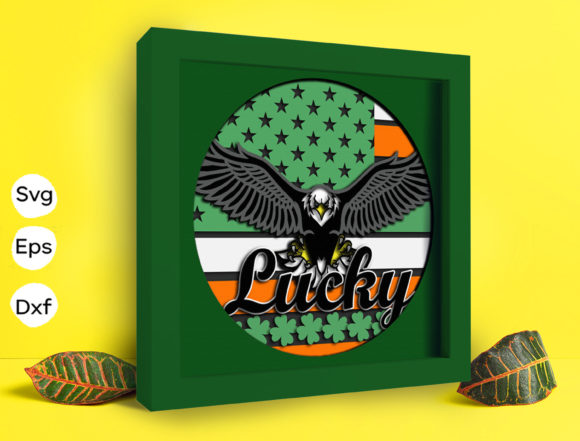
The visual personality of the Lucky Eagle Papercut Light Box is defined by depth, negative space, and organic flow. Unlike traditional flat embroidery designs, papercut styles rely on distinct layers to create dimension. In a light box, this is achieved through physical separation; in machine embroidery, we must simulate this through stitch density and color contrast. My first impression was that this design possesses a majestic yet delicate mood, making it ideal for projects that require a sense of heritage or spiritual significance without feeling heavy or dated.
For an embroidery project, this design naturally lends itself to appliqué work or multi-layered satin stitch borders. The "papercut" lines are essentially perfect guides for placement stitches. However, because the original asset includes formats like SVG, DXF, EPS, and AI rather than native embroidery files (like DST or PES), you are likely working with a vector that requires digitizing or conversion. This gives you immense creative control but demands technical diligence. You cannot simply load this into your machine; you must interpret the lines as either running stitches for detail or fill stitches for solid areas. The eagle’s feathers, specifically, offer a beautiful opportunity to experiment with directional stitching to mimic the layered paper effect using thread texture instead of physical gaps.
Real-World Application: Custom Nursery Decor
To truly evaluate this design, I mentally placed it into a current client request: a personalized nursery wall hanging and matching tote bag set. The client wanted something gender-neutral but culturally meaningful. The Lucky Eagle Papercut Light Box fit this brief perfectly because of its symbolic weight and artistic intricacy.
When envisioning this as sweatshirt embroidery or a framed textile piece, the design’s complexity becomes its selling point. Customers associate intricate detailing with higher value. On a canvas tote bag design, the bold silhouette of the eagle reads well from a distance, while the internal papercut details invite closer inspection. However, for baby embroidery items like blankets or bibs, I had to consider safety and comfort. The dense layering required to replicate a shadow box effect can result in a stiff, bulletproof patch of stitching. For baby items, I would recommend simplifying the innermost layers or using lighter fill stitches to maintain fabric drape. As a custom apparel option, this design shines on structured garments like denim jackets or caps, where the fabric can support the weight of the embroidery without distorting.
Navigating Fabric Limitations and Hoop Sizes
While the artistic potential is high, practical application requires caution. Papercut designs are inherently detailed, and the Lucky Eagle Papercut Light Box is no exception. Small hoop sizes are generally ill-advised for this specific motif unless you significantly simplify the vector before digitizing. Trying to cram these intricate wing details into a 4x4 hoop will likely result in thread breaks, registration issues, and a muddy final image.
Fabric texture plays a massive role in success. On smooth, tightly woven fabrics like cotton twill or linen, the design will crisp up beautifully. However, on textured fabrics like terry cloth towels or fleece, the fine "cut" lines may get lost. If you are planning holiday embroidery on plush stockings or knitwear, you must use a water-soluble topping to prevent the stitches from sinking. Stretchy fabrics present another challenge; the geometric precision of a papercut style leaves no room for distortion. If you are attempting this on a t-shirt or stretchy sweatshirt, heavy stabilization is non-negotiable. Without proper cutaway stabilizer, the tension of the satin stitches outlining the eagle’s wings will pull the garment out of shape, ruining the professional finish your customers expect.
Dark fabrics also require strategic planning. Papercut designs often rely on white-on-white or subtle tonal shifts. On black or navy fabric, you lose the shadow illusion. Instead, lean into high-contrast thread colors. Metallic gold or silver threads against a dark background can elevate the Lucky Eagle Papercut Light Box from a craft project to a premium boutique product, enhancing perceived value and giftability.
Professional Standards for Commercial Use
For small business owners and digital product sellers, maintaining brand consistency and quality is paramount. Before listing any finished product featuring this design, rigorous testing is mandatory. Never assume a converted vector will stitch out perfectly. Test the design on scrap fabric identical to your final product. Check thread color contrast under natural and artificial lighting. Inspect small details for clarity; if the eagle’s eye or feather tips are indistinguishable in the test run, they will be invisible in product photos.
Review stitch density obsessively. Overly dense areas can cause puckering, while sparse areas may look cheap. Since this originates as a 3D SVG for cutting machines, verify that all paths are closed and optimized for embroidery software. Compare light and dark fabric backgrounds in printable mockups before committing to production. This helps visualize how the design interacts with different merchandise types, from aprons to pillow covers.
Crucially, confirm licensing. The product description lists file formats for design software but does not explicitly state commercial embroidery rights. As a responsible maker, you must verify whether you are licensed to sell finished embroidered goods or if the license is restricted to digital paper crafting. Respecting intellectual property protects your business reputation and builds customer trust. If the license permits commercial embroidery, this design could become a staple in your shop, offering a unique alternative to generic wildlife motifs.
Final Thoughts on Design Versatility
The Lucky Eagle Papercut Light Box represents a fascinating crossover between digital papercraft and textile art. It challenges the embroiderer to think in layers and shadows rather than just color blocks. Whether used for a personalized gift, a craft fair standout, or a signature Etsy listing, its success depends entirely on technical execution. By respecting the limitations of fabric, choosing appropriate stabilizers, and honoring the design’s intricate nature, you can transform a digital shadow box concept into a stunning, tactile reality. Always prioritize test stitches over assumptions, and let the quality of your craftsmanship validate the beauty of the original design.