Couple Tree Papercut Light Box: An Embroidery Review
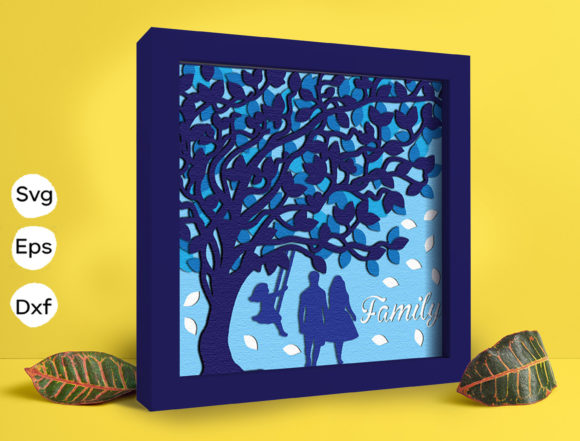
As a professional designer who bridges the gap between digital assets and tangible textiles, I approach every new file with a specific question: will this actually stitch out beautifully, or is it just a pretty picture on a screen? When I first opened the Couple Tree Papercut Light Box files, my immediate reaction was one of cautious optimism. While the product is marketed primarily for paper crafting and shadow box assembly, the intricate, layered aesthetic of a papercut design holds immense potential for machine embroidery if adapted correctly. The visual mood is undeniably romantic and organic, featuring interlocking branches and silhouettes that suggest depth and intimacy. For an embroidery project, this translates to a design that feels high-end and bespoke rather than mass-produced.
However, translating a 3D SVG intended for cutting machines into a viable embroidery file requires a discerning eye. The "papercut" style relies on negative space and distinct layers. In embroidery, we cannot rely on physical gaps; we must simulate them through stitch density and thread color contrast. My initial assessment suggests this design belongs in the category of heirloom-quality keepsakes rather than everyday casual wear. It has a delicate personality that demands respect during the digitizing and stitching process.
Real-World Application: The Anniversary Tote Bag Test
To truly evaluate the commercial viability of the Couple Tree Papercut Light Box, I mentally prototyped a custom anniversary tote bag for a boutique client. This scenario is perfect because tote bags offer a stable canvas that mimics the flat surface of a light box while allowing us to test how the design interacts with fabric texture. For this project, I envisioned using the tree motif as a central applique design rather than a dense fill stitch. The papercut aesthetic naturally lends itself to appliqué, where different fabrics represent the "layers" of the original digital file.
In this real-life application, the goal was to create a personalized gift that felt substantial. If I were to stitch this as a standard fill, the result might be too stiff and bulletproof for a tote bag. Instead, utilizing the outline elements as running stitch guides for fabric placement preserves the airy, intricate feel of the original Shadow Boxes concept. Customers looking for wedding gifts or anniversary merchandise respond well to this level of intentionality. They aren't buying a generic tree clipart; they are buying the illusion of hand-cut paper translated into thread. This specific use case highlights the design's strength: it creates a focal point that invites closer inspection, increasing the perceived value of the finished handmade product.
Where Design Integrity Meets Fabric Reality
While the Couple Tree Papercut Light Box is visually stunning, practical experience dictates that we must be selective about where we apply it. Not every substrate can handle the complexity inherent in a papercut-style translation. I would advise extreme caution when attempting this design on stretchy fabrics like jersey knits or performance wear. The intricate lines and simulated layers require precise registration; if the fabric shifts even a millimeter during stitching, the "cutout" effect collapses into a muddy mess of overlapping threads.
Furthermore, consider the scale. Small hoop sizes are generally unsuitable for this specific aesthetic unless you significantly simplify the vector paths. Tiny lettering or micro-details that look crisp in Adobe Illustrator often become unreadable lumps of satin stitch at two inches wide. If your business focuses on baby embroidery or cap designs, you may need to edit the 3D SVG extensively before digitizing to remove interior details that won't survive the reduction process. Conversely, on textured fabrics like terry cloth or linen, the fine lines of a papercut design can get lost. These fabrics demand bolder interpretations, perhaps converting delicate inner branches into thicker appliqué zones rather than thin running stitches.
Dark fabrics also present a unique challenge. Papercut designs traditionally rely on white-on-white or light-on-dark layering. On black sweatshirt embroidery, you lose the ability to use shadow effects to create depth. You must rely entirely on thread color contrast to define the separation between the "couple" and the "tree." Without careful planning of thread colors, the design risks looking flat against a dark background, negating the very feature that makes the Couple Tree Papercut Light Box special.
Elevating Brand Value Through Technical Precision
For Etsy sellers and small shop owners, the difference between a hobbyist finish and a professional product often lies in how well a design suits its medium. Using a papercut-inspired asset for embroidery signals to buyers that you are curating unique design assets rather than relying on overused stock libraries. However, this only works if the execution is flawless. Visual appeal in embroidery is directly tied to stitching clarity. When the Couple Tree Papercut Light Box is executed well, it enhances brand consistency by offering a signature look that is difficult for competitors to replicate cheaply.
This design type also boosts buyer engagement because it photographs exceptionally well. The interplay of texture and simulated depth creates natural shadows in product photography, making printable mockups and listing photos pop without excessive editing. For creative entrepreneurs selling digital embroidery files or finished goods, this visual interest translates to trust. Buyers recognize that a design with this level of structural integrity requires skill to produce, justifying a higher price point for both the digital file and the completed custom apparel or home decor item.
Essential Notes for the Professional Maker
Before you load this design into your machine or list it in your shop, please adhere to these practical guidelines derived from years of testing complex vectors:
- Verify File Compatibility: The provided package includes SVG, DXF, EPS, and other vector formats ideal for Cricut Design Space or Silhouette Studio. Remember that these are source vectors, not pre-digitized embroidery files. You must digitize them yourself or hire a professional digitizer to convert them into PES, DST, or JEF formats suitable for your machine.
- Test Stitch Density: Papercut styles can be deceptively dense. Always run a test stitch-out on scrap fabric identical to your final project. Check if the simulated layers cause puckering. You may need to reduce underlay or adjust pull compensation to maintain the crisp edges essential to this aesthetic.
- Stabilizer Selection is Non-Negotiable: Do not skimp on stabilizer. For a design with this many intersecting lines and open spaces, a cutaway stabilizer is usually mandatory for apparel to prevent distortion. For tote bags or pillow covers, a heavy tear-away or fusible mesh may suffice, but stability is key to preserving the geometric integrity of the tree.
- Contrast Check: Before committing to production, view your digitized version in grayscale. If you cannot distinguish the couple from the tree branches without color, the design lacks sufficient tonal contrast for embroidery. Adjust stitch types or add outline stitches to define boundaries clearly.
- Licensing and Commercial Use: Always review the specific license terms included with your purchase. While you received the vector assets, confirm whether you have permission to sell finished embroidered products or the digitized embroidery file itself. Protecting your craft business starts with respecting intellectual property rights.
- Simplify for Scale: If adapting the Couple Tree Papercut Light Box for smaller items like patches or baby clothes, manually delete non-essential interior nodes in your vector software before digitizing. Less is more when translating paper art to thread.
Ultimately, the Couple Tree Papercut Light Box is a versatile asset for the experienced maker willing to bridge the gap between paper craft aesthetics and textile reality. It offers a fresh alternative to standard floral or monogram designs, providing a pathway to create deeply meaningful, visually complex work that stands out in a saturated market. Approach it with technical respect, and it will reward you with a finished product that feels as timeless as the sentiment it represents.