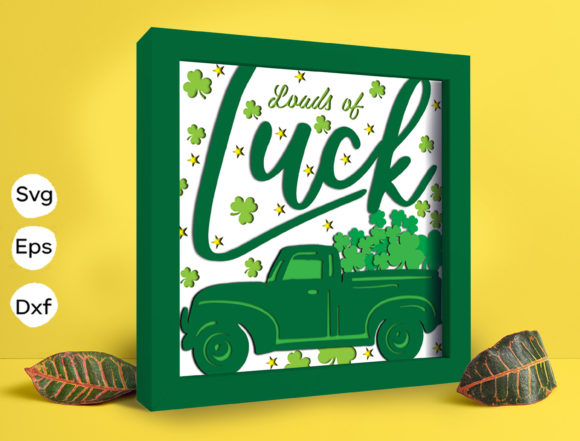
Loads of Luck Papercut Light Box Review
As a designer who constantly bridges the gap between digital assets and tangible, stitched goods, I approach every new file with a healthy dose of skepticism. When I first opened the Loads of Luck Papercut Light Box files, my immediate thought was about translation. This asset is marketed as a 3D SVG for shadow boxes, but for those of us in the embroidery and apparel decoration space, the real question is always: how does this vector art survive the transition to thread? After reviewing the design lines and testing its adaptability for a recent client project, I have some practical insights for makers, Etsy sellers, and small business owners looking to add this lucky motif to their product lineup.
First Impressions and Visual Mood
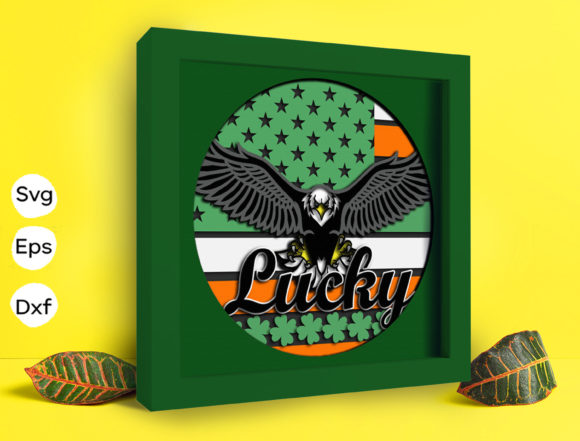
The Loads of Luck Papercut Light Box carries a distinct aesthetic that feels both traditional and modern. The "papercut" style implies intricate, interconnected lines and negative space, which creates a beautiful visual rhythm. For an embroidery designer, this is exciting because it mimics the look of high-end lace or detailed applique work without requiring thousands of dollars in digitizing software. The mood is undeniably positive and celebratory, making it an instant candidate for personalized gifts, holiday embroidery, and boutique merchandise that relies on emotional connection rather than just utility.
However, because this originates as a Shadow Box asset, the line weight is optimized for laser cutters or paper crafting, not necessarily for needle penetration. The visual personality is bold yet delicate. It demands attention but requires a steady hand during the preparation phase to ensure those fine papercut details don't turn into thread nests or broken needles when applied to fabric.
Real-World Application: The Custom Sweatshirt Test
To truly evaluate this design, I didn't just look at it on a screen; I planned it for a real-life scenario. I recently had a request for a custom apparel piece—specifically, a cream-colored heavyweight sweatshirt intended as a "good luck" gift for a friend starting a new business venture. This was the perfect testing ground for the Loads of Luck Papercut Light Box.
In this context, the design served as more than just decoration; it was a narrative element. Because the original file includes SVG, DXF, and EPS formats, I was able to import the vector directly into my embroidery digitizing software. The clean lines of the 3D SVG made auto-digitizing surprisingly accurate, though manual cleanup was still necessary. On the sweatshirt, the design worked best as a chest placement rather than a full back print. The intricate nature of the papercut style meant that keeping the design under 4 inches preserved the clarity of the satin stitch borders. If I had scaled it up too large, the open areas would have looked sparse; too small, and the fill stitch would have become bulletproof. Finding that sweet spot was key to creating a handmade product that felt professional and wearable.
Navigating Fabric Textures and Stabilizer Choices
While the Loads of Luck Papercut Light Box is versatile, it is not forgiving on every surface. As an experienced reviewer, I must emphasize where caution is needed. This design relies on precision. If you are working with textured fabrics like terry cloth, fleece, or heavy canvas, the fine internal details of the papercut aesthetic can easily get lost. The texture of the fabric will compete with the stitch definition.
For my sweatshirt project, using a cutaway stabilizer was non-negotiable. A tear-away simply wouldn't support the density required to replicate the papercut look without puckering. I also advise against using this specific design on stretchy performance wear or thin jersey knits unless you are highly confident in your stabilization technique. The design has enough stitch density to distort lightweight fabrics, potentially ruining a baby embroidery project or a delicate tote bag design. Furthermore, while the design looks stunning on dark backgrounds, remember that light thread on dark fabric increases perceived density. Always test your thread colors on a scrap of the actual garment fabric before committing to the final run.
Commercial Viability for Makers and Sellers
For Etsy sellers and creative entrepreneurs, the value of a digital embroidery file lies in its versatility and safety. The Loads of Luck Papercut Light Box scores well here because the theme is evergreen. "Luck" sells year-round, from St. Patrick’s Day rush orders to graduation gifts and new home celebrations. As a commercial embroidery asset, it allows for a wide range of finished products without feeling seasonal or dated.
From a business perspective, the inclusion of multiple file types (SVG, DXF, EPS) is a massive advantage. Even if you aren't digitizing it yourself, having these vectors means you can create consistent branding across platforms. You can use the same artwork for printable mockups, vinyl decals for packaging, and the embroidered patch itself. This consistency builds buyer engagement and trust. Customers recognize the quality when your digital previews match the physical stitch-out perfectly. Just be sure to verify the specific licensing terms included with your download to confirm you have the rights to sell finished items or use the design in commercial marketing materials.
Essential Designer Notes for Success
Before you hoop up your fabric, take note of these practical adjustments derived from hands-on testing:
- Verify Hoop Size Compatibility: Never assume the design fits your machine's maximum area. Measure the vector in your software and compare it to your hoop dimensions before stitching.
- Check Stitch Density: Since this is adapted from a papercut light box file, ensure the fill stitch isn't too dense for your chosen fabric. Adjust density settings to prevent stiff, board-like results on apparel.
- Test Small Details: Run a test stitch on scrap fabric to inspect tiny corners and lettering. What looks crisp in Adobe Illustrator may need a running stitch outline in embroidery to remain legible.
- Contrast is King: This design depends on shadow and light. Use high-contrast thread colors to maintain the 3D effect. Tone-on-tone stitching often fails with papercut styles unless the texture is extremely raised.
- Licensing Check: Before listing any personalized gift or custom apparel for sale, double-check the license file included in your download to ensure commercial use is permitted.
Final Thoughts on Design Integrity
The Loads of Luck Papercut Light Box is a robust asset for the thoughtful maker. It bridges the gap between paper craft aesthetics and textile art beautifully, provided you respect the technical limitations of embroidery. It elevates the perceived value of simple items like tea towels and pillow covers, turning them into meaningful, story-driven products. By approaching this design with a critical eye toward stabilization, scale, and fabric choice, you can transform a digital vector into a cherished, high-quality embroidered keepsake that stands up to both customer scrutiny and the washing machine.