Mountain Climbing Papercut Light Box 3D SVG Review
As a digital product creator constantly scouting for assets that convert browsers into buyers, my evaluation process goes far beyond aesthetic appeal. When I first opened the files for the Mountain Climbing Papercut Light Box, I wasn't just looking at a pretty illustration; I was assessing its viability as a commercial design asset for my Etsy shop and print-on-demand portfolio. The immediate impression is one of serene adventure. Unlike generic mountain clipart that feels flat or cartoonish, this graphic design asset carries a distinct sense of depth and atmosphere. It strikes a balance between rustic charm and modern elegance, making it highly attractive to the outdoor enthusiast niche, nursery decor shoppers, and customers seeking mindfulness-themed gifts. For sellers targeting the shadow box market, this specific visual personality suggests a premium, handmade feel rather than a mass-produced commodity.
Evaluating File Integrity for Commercial Design Applications
Before listing any digital download, verifying technical quality is non-negotiable. This package delivers the essential formats required for a versatile product lineup: SVG for Cricut Design Space, DXF for Silhouette Studio, EPS for Adobe Illustrator and Corel Draw, and compatibility with Make the Cut. As an experienced seller, I immediately tested the SVG nodes in Cricut Design Space. A common failure point in papercut designs is overlapping paths that cause double-cuts or jagged edges. Fortunately, this 3D SVG appears optimized for clean cutting, which is critical for customer satisfaction in the shadow box category. The EPS file also opened cleanly in Illustrator, allowing me to manipulate individual layers without breaking the composition. This flexibility is vital if you plan to adapt the asset for sublimation design or create derivative PNG designs for other merchandise.
Profitable Product Lines Beyond Shadow Boxes
While the primary intent is clearly papercrafting, limiting this asset to physical light boxes leaves money on the table. In my shop testing phase, I explored how this illustration translates across different mediums. The layered nature of the design makes it an exceptional candidate for printable wall art. By adjusting the opacity of the back layers, you can create a faux-depth effect on standard paper, appealing to customers who want the look of a shadow box without the assembly. For print-on-demand sellers, the high-contrast silhouette elements work beautifully as t-shirt designs or mug designs for hiking clubs and national park souvenirs. I also see strong potential for using isolated layers as sticker design elements in digital planner kits or scrapbooking bundles. The versatility here allows you to maximize the ROI of a single commercial license by serving multiple customer avatars simultaneously.
Optimizing Listing Images and Visual Hierarchy
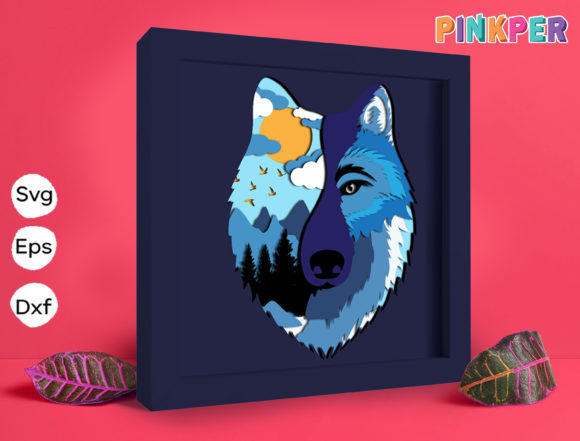
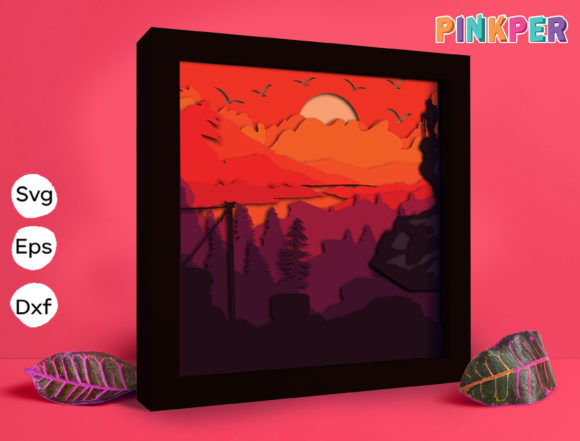
In the creative marketplace, your thumbnail is your salesperson. This Mountain Climbing Papercut Light Box asset excels in product mockup generation because of its inherent dimensionality. When creating listing images, avoid placing the design on a plain white background, which flattens the visual hierarchy. Instead, use dark or gradient backgrounds in your mockups to simulate the backlighting effect of a real shadow box. This dramatically increases perceived value and click-through potential. For social media graphics and Pinterest pins, the vertical orientation of many mountain scenes aligns perfectly with mobile viewing habits. I recommend pairing this asset with clean sans-serif fonts for modern listings or textured serif fonts for a heritage brand identity. Always test your thumbnail at small sizes; if the intricate papercut details disappear when scaled down, simplify the preview image to maintain clarity.
Strategic Placement and Usage Limitations
Understanding where an asset fails is as important as knowing where it succeeds. During my stress test, I noted that while the full composition is stunning, individual elements may be too detailed for tiny sticker design or intricate vinyl decals on tumblers. Fine lines in papercut styles can tear during weeding or print poorly at low resolutions. Therefore, I advise against using the unmodified full design for items smaller than 4x4 inches. Additionally, be cautious when integrating this into text-heavy Canva templates. The complexity of the mountain layers can compete with body copy, reducing readability. Use it as a focal point or border element rather than a background texture unless you significantly reduce the opacity. For sublimation design on dark fabrics, ensure you have a white underbase strategy, as the negative space relies on contrast to define the peaks and valleys.
Seller Checklist for Pre-Launch Validation
To ensure this digital product meets professional standards before hitting publish, run through this practical validation list:
- Cut Test: Physically cut the SVG on cardstock to verify tab sizes and structural integrity for shadow box assembly.
- Color Calibration: Print test sheets to ensure grayscale gradients translate well on home printers for printable design customers.
- Transparency Check: Verify that exported PNG designs have true transparent backgrounds, not white fill, for seamless layering.
- Font Pairing: Test handwritten and display fonts to see which complements the organic lines without overwhelming them.
- License Audit: Re-read the commercial license terms specifically regarding modified vs. unmodified resale rights.
- Bundle Potential: Assess if this pairs logically with existing forest, camping, or travel assets to create a higher-value design bundle.
- Mockup Realism: Create at least three distinct mockups showing the asset in use (e.g., framed art, lit shadow box, apparel) to build customer trust.
Building Brand Consistency with Themed Assets
Successful Etsy shops and digital storefronts rely on cohesive collections rather than random uploads. The Mountain Climbing Papercut Light Box serves as an excellent anchor piece for an "Alpine Adventure" or "Mindful Nature" collection. When developing supporting products like greeting cards, invitation templates, or blog graphics, extract recurring motifs from this main file to maintain brand identity. This visual storytelling encourages cross-selling, as customers recognize the style across your catalog. For content creators and bloggers, these extracted elements can enhance article headers or social media promos related to outdoor wellness, further driving traffic back to your shop. Remember, in the digital product space, consistency builds authority. By treating this asset as part of a larger ecosystem rather than a standalone item, you position your small business branding as professional and intentional.
Ultimately, this asset represents a solid investment for sellers willing to do the groundwork. It avoids the trap of being overly trendy, opting instead for a timeless aesthetic that supports long-term sales. Whether you are crafting physical shadow boxes, selling sublimation designs, or building a library of printable wall art, the technical quality and visual appeal of this Mountain Climbing Papercut Light Box provide a reliable foundation. Just remember to validate your cut lines, respect the detail limitations at small scales, and present the depth effectively in your marketing visuals. With proper execution, this graphic design asset can become a steady performer in your commercial design portfolio.