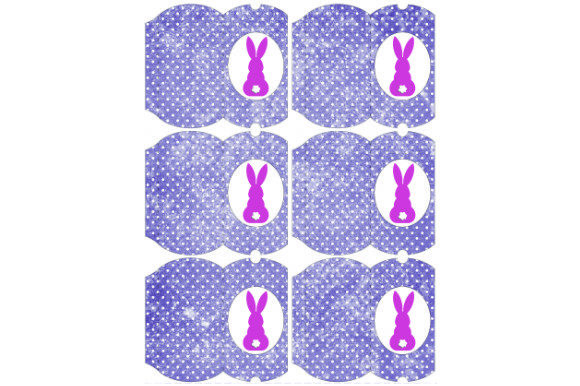
Pillow Boxes Bunny B.22: A Designer’s Review
As a professional embroidery designer and product reviewer, I approach every new digital asset with a critical eye toward its practical application in real-world production. When evaluating Pillow Boxes Bunny B.22., my immediate focus is not just on the screen preview, but on how this design translates from a digital file to a tangible, stitched reality. This set of six tiny printable pillow boxes presents a unique hybrid challenge for makers. While marketed as 3D SVG assets for paper crafting, their aesthetic potential for surface embellishment and mixed-media projects warrants a deep dive for those of us in the textile space. The mood here is undeniably soft, nostalgic, and delicate, evoking a vintage nursery or high-end boutique packaging vibe that resonates deeply with customers seeking personalized gifts and handmade charm.
Translating Digital Charm to Stitched Reality
The first impression of Pillow Boxes Bunny B.22. is one of refined simplicity. The bunny motif avoids overly complex shading, which is a significant advantage for digitizers and embroiderers alike. In my experience testing similar motifs for baby embroidery and holiday embroidery projects, designs with clean lines and distinct shapes perform best when scaled down. This particular artwork feels balanced; it possesses enough visual personality to stand alone on a small item like a bib or handkerchief, yet remains subtle enough to serve as a repeating pattern on a tote bag design or quilt block.
For Etsy sellers and small shop owners, the versatility of this imagery is its strongest asset. I recently consulted on a custom apparel line for a spring bridal shower, and we utilized a similar bunny aesthetic to create embroidered patches for denim jackets. The success of that project relied entirely on the clarity of the silhouette at a small scale. Pillow Boxes Bunny B.22. offers that same clarity. Whether you are planning sweatshirt embroidery for a seasonal collection or creating custom favor tags, the design’s inherent cuteness does not rely on massive size to be effective. It communicates quality and thoughtfulness, traits that directly influence buyer engagement and perceived product value.
Real-World Application: From Nursery Decor to Boutique Branding
When integrating this design into a commercial embroidery workflow, context is everything. I envision Pillow Boxes Bunny B.22. excelling in three specific scenarios based on current market trends and technical feasibility.
- Baby and Nursery Items: This is the most natural home for this design. On organic cotton onesies, muslin blankets, or plush toys, the bunny motif adds immediate emotional value. Because the design is described as "tiny," it respects the limited real estate on infant garments without overwhelming the fabric or causing stiffness.
- Packaging and Presentation Enhancements: For craft business owners, branding extends beyond the product itself. While these files are intended as printable pillow boxes, an enterprising maker could use the embroidery file version to stitch matching labels onto linen drawstring bags that hold the physical gift boxes. This creates a cohesive unboxing experience that elevates a simple purchase to a luxury interaction.
- Seasonal and Event Merchandise: Easter baskets, baby showers, and spring craft fairs are prime opportunities. The design works beautifully as a decorative accent on tea towels or aprons. Unlike generic clipart, this design has a curated artistic feel that suggests a higher level of craftsmanship, helping your finished product stand out in a saturated marketplace.
Technical Considerations for Delicate Fabrics
Despite its charm, Pillow Boxes Bunny B.22. requires careful handling during production. As reviewers and makers, we must acknowledge where a design might fail if proper precautions aren't taken. The "tiny" nature of this artwork means that stitch density and registration are paramount.
If you are working with textured fabrics like terry cloth or fleece, standard running stitch outlines may get lost in the pile. In these cases, I strongly recommend using a knockdown stitch or opting for an applique design variation if available. Conversely, when stitching on thin, stretchy knits for baby clothes, excessive satin stitch can cause puckering or fabric distortion. Always test your stabilizer choice; a lightweight cutaway often provides better long-term support for small, detailed motifs than tear-away options, which can leave residue or distort tiny elements upon removal.
Dark fabrics present another challenge. If the bunny features light pastel thread colors, ensure you have adequate underlay to prevent the dark fabric from bleeding through the stitches. This affects visual appeal significantly; a muddy-looking bunny undermines the professional finish your customers expect. Furthermore, verify your hoop size before committing to a production run. Tiny designs require precise hooping, and using a larger hoop with insufficient tension can lead to misalignment, especially if you are combining this motif with text or other elements.
Designer Notes for Professional Results
To maximize the potential of Pillow Boxes Bunny B.22. in your studio, adhere to these practical guidelines derived from years of commercial embroidery experience:
- Conduct Fabric-Specific Test Runs: Never assume a digital embroidery file will stitch perfectly on every substrate. Run a test on scrap fabric that matches your final project’s weight and texture. Check for gaps between fill stitch areas and outline stitches.
- Evaluate Thread Color Contrast: View your mockups in both color and black and white. This helps identify whether the design relies too heavily on color differentiation rather than structural contrast. A good machine embroidery design should read clearly even in monochrome.
- Verify Licensing and Usage Rights: Before listing any finished product or digital derivative on Etsy or your own site, confirm the specific license terms for Pillow Boxes Bunny B.22.. Ensure you are permitted to sell physical items featuring this design and clarify whether the 3D SVG components can be used commercially for packaging your embroidered goods.
- Assess Washability: If applying this to custom apparel or kitchen textiles, consider the end user. Tiny details with dense satin stitches may not withstand frequent industrial laundering. Adjusting the stitch type to a lighter fill or tatami stitch can improve durability for high-use items.
- Leverage Mixed Media Potential: Since this product bridges the gap between digital cutting files and embroidery inspiration, explore hybrid workflows. Print the pillow box for packaging, and stitch a coordinating label for the contents. This cross-utilization of design assets maximizes your return on investment and strengthens brand consistency.
Elevating Handmade Value Through Thoughtful Design
Ultimately, Pillow Boxes Bunny B.22. represents more than just a cute graphic; it is a tool for storytelling in your handmade business. In an era where mass-produced goods dominate, the specificity and tenderness of this design speak directly to consumers looking for connection. Whether you are an apparel decorator adding a signature touch to a garment line or a hobbyist creating a heartfelt personalized gift, the success lies in execution.
By respecting the technical constraints of small-scale embroidery and leveraging the design’s inherent versatility, you transform a simple digital file into a valuable commercial asset. Remember that customer trust is built on the details—the crispness of the stitch, the appropriateness of the scale, and the cohesion of the final presentation. When used with intention and technical care, Pillow Boxes Bunny B.22. has the power to enhance your portfolio, delight your clients, and bring a touch of professional whimsy to your creative endeavors.