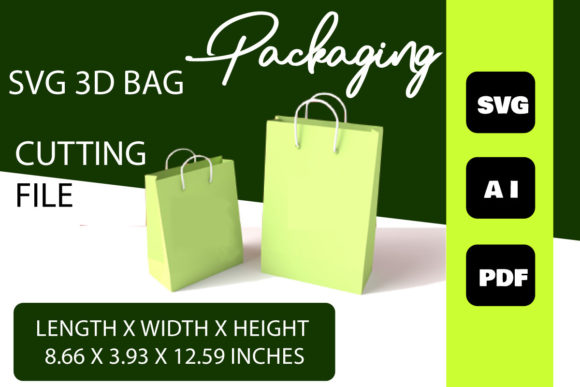
Paper Bag 3D SVG for Gift Boxes & Editorial Design
As a digital publisher and blog designer, I constantly evaluate graphic design assets not just for their aesthetic appeal, but for their functional utility in a real content workflow. When I first opened the Paper Bag template, I was looking for more than just a cute illustration; I was assessing its viability as a versatile visual anchor for lifestyle content, e-commerce reviews, and seasonal editorial features. The initial impression is one of tactile warmth and approachable professionalism. Unlike flat, generic vector art, this asset carries a sense of depth and texture that immediately signals quality to the reader. It creates an editorial mood that feels handcrafted yet polished, making it exceptionally well-suited for niches like sustainable living, artisanal retail, DIY crafts, and boutique e-commerce.
In the context of web design and content marketing, this asset bridges the gap between digital presentation and physical reality. For publishers managing sites focused on unboxing experiences, product reviews, or gift guides, the visual language of packaging is essential. This template does not look like a sterile stock photo; it possesses a bespoke character that enhances reader trust. When a visitor lands on a blog post featuring this graphic, the perception is that the content has been curated with care. This subtle psychological cue is vital for affiliate marketing and product showcases, where the credibility of the recommendation often hinges on the perceived quality of the surrounding media.
Strategic Applications in Content Publishing Workflows
The true value of this digital product emerges when applied across various publishing touchpoints. In my own workflow, I have found that having a customizable packaging asset solves multiple design challenges simultaneously. For blog graphics and featured images, the Paper Bag serves as an excellent focal point that can be easily adapted to match seasonal color palettes or specific brand campaigns. Because it is provided as a scalable vector, it maintains crisp edges whether it is used as a small thumbnail in a category archive or as a large hero element in a website header.
Beyond standard blog posts, this asset is a powerhouse for Pinterest pin creation. Pinterest users are visually driven and respond strongly to imagery that suggests tangible value or unboxing potential. By integrating this bag template into pin designs, creators can visually communicate "gift," "surprise," or "resource" without relying solely on text overlays. This is particularly effective for promoting lead magnets, digital downloads, or printable resources. Imagine a newsletter signup graphic where the paper bag visually represents the free guide or checklist being offered; this metaphor transforms an abstract digital download into something that feels possessable and valuable.
For those creating digital guides or eBooks, this template offers a unique way to visualize intangible products. While we cannot physically package a PDF, using this asset on sales pages or landing pages helps ground the offer in a familiar commercial context. It works beautifully alongside Canva templates for social media stories, allowing marketers to maintain consistent brand identity across platforms. Whether you are highlighting a holiday sale, a subscription box review, or a creative workshop, the adaptability of this asset ensures your visuals remain cohesive and professional.
Enhancing Visual Hierarchy and Reader Engagement
Effective editorial design relies heavily on visual hierarchy, and this Paper Bag template supports clear information architecture. Its distinct shape and implied volume naturally draw the eye, making it an ideal candidate for directing attention to key conversion points. When placed next to headline text or call-to-action buttons, it acts as a visual counterweight that balances the layout without competing for cognitive load. This balance is crucial for maintaining high click-through rates on affiliate content and resource pages.
Furthermore, consistency in creative design fosters stronger brand recognition. By utilizing this asset as a recurring motif across category thumbnails, newsletter headers, and social media previews, publishers can create a proprietary visual system. Readers begin to associate the stylized bag with specific types of content—perhaps your weekly deals, your DIY tutorials, or your premium resources. This associative learning reduces friction for returning visitors and strengthens the overall user experience. The asset’s clean lines and modern aesthetic ensure it complements rather than distracts from the written content, supporting a sophisticated visual communication strategy.
Contextual Awareness: Where It Shines and Where to Pause
While versatile, no design asset is universally appropriate. This Paper Bag template excels in environments that benefit from warmth, creativity, and consumer-focused narratives. It is perfect for lifestyle blogs, craft marketplaces, educational resources for creatives, and seasonal gift guides. However, publishers should exercise caution when deploying it in highly corporate, technical, or somber contexts. A financial advisory firm or a legal news outlet might find the whimsical nature of a paper bag incongruent with their serious tone. Similarly, in extremely minimalistic web designs where negative space is the primary design element, adding a detailed 3D-style object might introduce unnecessary visual noise.
Mobile responsiveness is another critical consideration. While the vector format ensures scalability, the intricate details of a 3D SVG style rendering can sometimes become indistinct at very small sizes. Always preview the asset on mobile devices to ensure it reads clearly as a bag and not just an amorphous shape. If your site relies heavily on tiny list-view thumbnails, consider simplifying the graphic or using a cropped version to maintain clarity. Additionally, be mindful of background contrast; this asset requires sufficient breathing room to stand out against busy patterns or dark textures commonly found in alternative modern design trends.
Publisher Notes: Technical Specs and Licensing Compliance
Before integrating this asset into monetized content, practical due diligence is required. The product description indicates you will receive a zipped folder containing separate PDF and AI files. As a publisher, I recommend keeping the master AI file archived for future edits while exporting optimized web formats (SVG, PNG, or WebP) for daily use. Always test the file size; even vectors can be heavy if they contain excessive anchor points or embedded raster effects. Compressing your exports is non-negotiable for maintaining fast page load speeds, which directly impacts SEO and user retention.
Typography pairing is equally important. This asset has a distinct personality that interacts differently with various font families. Test it beside serif fonts for a classic, editorial look, or pair it with rounded sans-serifs for a friendly, modern vibe. Avoid overly decorative script fonts that might clash with the bag’s own illustrative details. Finally, and most importantly, verify the commercial license terms before using this on affiliate pages, paid courses, or client websites. Understanding the scope of usage rights protects your business and ensures ethical sourcing from the creative marketplace. When used correctly, with respect for both technical performance and licensing, this Paper Bag template becomes more than just a graphic; it becomes a strategic tool for elevating your entire digital publishing ecosystem.