Inspirational Hiking: A Designer’s 3D SVG Review
When evaluating a new digital asset for my studio, I look beyond the screen preview to imagine how it will actually perform under the needle. The Inspirational Hiking design immediately caught my attention not just as a graphic, but as a potential centerpiece for dimensional embroidery projects. As a designer who frequently creates custom apparel and personalized gifts, I approach every machine embroidery design with a critical eye toward stitchability, fabric compatibility, and commercial viability. This review breaks down my practical assessment of this file for fellow makers, Etsy sellers, and creative entrepreneurs considering it for their next collection.
First Impressions and Dimensional Potential
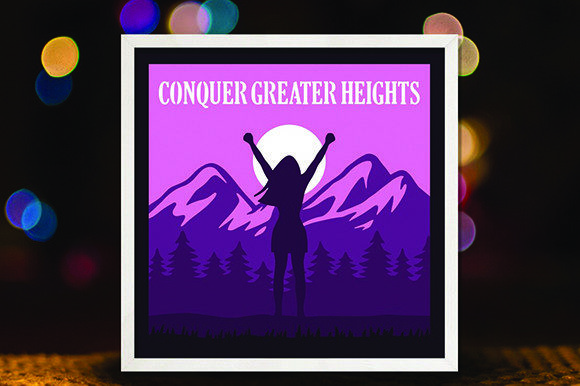
My initial reaction to Inspirational Hiking was that it possesses the structural integrity necessary for a successful 3D SVG project. Unlike flat vector art that requires significant modification to become an applique design, this file appears engineered with layers in mind. The mood is adventurous yet clean, striking a balance that appeals to outdoor enthusiasts without feeling overly rugged or masculine. For a handmade product, this versatility is gold. It suggests a design that can transition seamlessly from a rugged canvas tote bag to a softer nursery pillow cover, depending entirely on your thread color choices and fabric selection.
The original size of 20x20cm provides a generous canvas for detail, which is crucial when translating digital lines into physical stitches. In the world of shadow boxes and layered fabric art, having adequate space prevents the design from becoming muddy or indistinct. When I visualize this as a finished piece, I see distinct separation between foreground elements like trees or mountains and background textures, allowing for varied stitch types that add tactile interest to the final embroidery project.
Real-World Application: The Custom Tote Bag Test
To truly judge this design, I mentally placed it onto a heavy-duty canvas tote bag intended for a boutique client. Canvas is unforgiving; it demands high contrast and confident stitching. For this application, Inspirational Hiking serves as an excellent test case for commercial embroidery. The layout allows for a central placement that respects the bag's seams and handles, a common pitfall with square designs. I envision using a variegated green thread for foliage elements against a natural cream canvas, utilizing a dense fill stitch to ensure coverage over the textured weave.
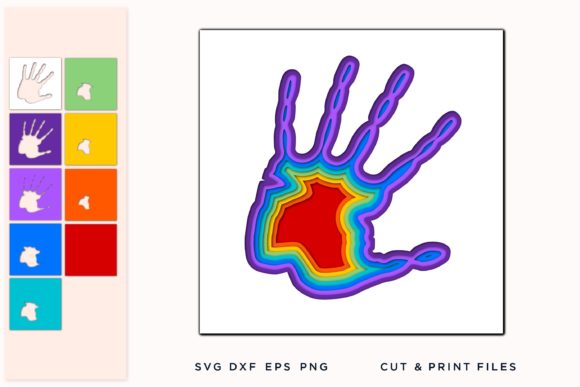
For small business owners and craft fair vendors, this specific use case highlights the design’s value. A tote bag featuring this motif isn't just merchandise; it’s a lifestyle statement. However, success depends on execution. Because the files include SVG, PNG, DXF, and EPS formats, you have flexibility in how you prepare the artwork. If you are cutting fabric pieces for appliqué using a laser cutter or vinyl plotter before embroidering, the vector precision matters immensely. For those doing traditional machine embroidery, converting these vectors into a proper embroidery file with appropriate underlay is essential to prevent the canvas texture from poking through the stitches.
Navigating Fabric Choices and Stabilizer Strategy
While Inspirational Hiking shines on stable fabrics, caution is required for stretchy or delicate materials. If you plan to adapt this for sweatshirt embroidery or baby clothes, the 20x20cm footprint may be too large and dense. Large designs on knit fabrics can cause puckering or weigh down the garment uncomfortably. In these scenarios, I strongly recommend resizing while maintaining the aspect ratio, as noted in the product specs, and potentially simplifying the layer count.
Stabilizer choice becomes non-negotiable here. For a 3D SVG interpretation involving multiple fabric layers, you need a sturdy cut-away stabilizer to support the weight of the overlapping pieces. If attempting this on a tea towel or linen, consider a wash-away topper to keep running stitch details crisp and prevent them from sinking into the fabric weave. Always test on scrap fabric first. I cannot stress this enough for anyone running a craft business: never assume a digital file will behave identically across different substrates. A design that looks perfect on felt might disappear on fleece or distort on jersey knit.
Technical Considerations for Professional Results
As a reviewer, I must address the gap between vector art and stitched reality. The product description lists graphic formats (SVG, PNG, DXF, EPS), not native embroidery formats like PES or DST. This distinction is vital for Etsy sellers and hobbyists. You will need digitizing software or a professional digitizer to convert Inspirational Hiking into a stitchable format. Do not attempt to auto-digitize complex layered designs without manual cleanup; the result often lacks the nuance required for a premium personalized gift.
When digitizing or commissioning this work, pay close attention to stitch density. Overlapping layers in shadow box styles require careful registration marks and tack-down stitches. If the alignment is off by even a millimeter, the 3D effect fails, and the design looks sloppy. Check your hoop size limitations before purchasing. While the image is 20x20cm, your machine’s maximum embroidery area might be smaller. Resizing is possible, but reducing a complex design below 10cm often necessitates removing details to maintain clarity. Tiny lettering or intricate leaf veins may need to be simplified or omitted entirely at smaller scales.
Commercial Viability and Brand Consistency
For those selling digital embroidery files or finished goods, consistency builds trust. Inspirational Hiking offers a cohesive aesthetic that pairs well with other nature-themed assets. When creating printable mockups for your online listings, use the provided PNG to showcase potential colorways without stitching every variation. This saves time and materials while giving customers a clear vision of the final product. However, always photograph at least one real stitched sample. Buyers want to see actual thread texture and dimension, not just digital renders.
Consider the licensing terms carefully before incorporating this into small shop products. Ensure you have the right to sell finished items versus the digital file itself. From a branding perspective, this design works exceptionally well for outdoor gear shops, camping-themed nurseries, or adventure travel accessories. Its gender-neutral appeal broadens your potential customer base, making it a safer investment than niche-specific artwork. Whether used as an embroidered patch for backpacks or a framed textile art piece, the theme resonates universally.
Final Verdict for Makers and Designers
Inspirational Hiking is a promising foundation for dimensional textile art, provided you respect the technical requirements of translating vector graphics into thread. It excels in structured applications like bags, patches, and home decor where stability supports the 3D aesthetic. For apparel or delicate items, proceed with testing and likely modification. The inclusion of multiple file formats offers great versatility for mixed-media creators who combine cutting and stitching.
Ultimately, the success of this design lies in your preparation. Verify your hoop capabilities, plan your stabilizer strategy based on fabric weight, and ensure your digitizing honors the intended depth of the artwork. When executed with care, this design elevates a simple embroidery project into a professional-grade product that commands higher perceived value. For the experienced maker willing to put in the technical groundwork, Inspirational Hiking represents a worthwhile addition to your digital asset library, capable of driving engagement and sales across multiple product categories.