Skulls Layered Design: A Practical Embroidery Review
As a designer who has digitized and stitched countless seasonal motifs, I approach every new file with a healthy dose of skepticism. We have all downloaded promising assets only to find they lack structural integrity when the needle hits the fabric. When evaluating the Skulls Layered Design for potential inclusion in my commercial embroidery lineup, I looked past the digital preview and focused entirely on stitchability, marketability, and production viability. This is not just another Halloween graphic; it is a template that demands technical consideration before it can become a profitable handmade product.
First Impressions and Structural Integrity
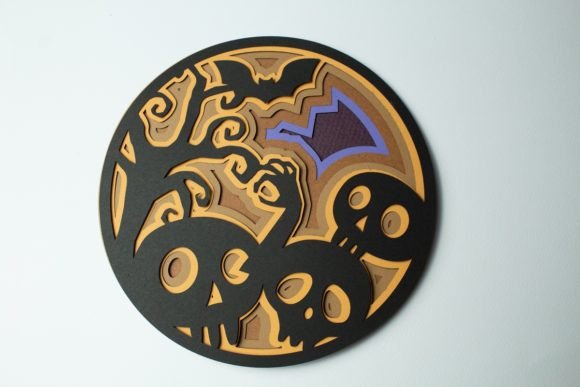
My initial assessment of the Skulls Layered Design centers on its visual weight and layering logic. In digital format, layered skull art often looks striking, but translating that into a machine embroidery design requires careful attention to registration and density. The mood here strikes a balance between edgy and artistic, avoiding the overly gory aesthetic that limits sales to a niche audience. Instead, it offers a stylized versatility that could appeal to gothic fashion enthusiasts, alternative wedding markets, or traditional holiday shoppers looking for something unique.
However, the term "layered" immediately raises red flags regarding stitch density. Before loading this embroidery file into my machine software, I had to verify how those layers interact. Are they stacked satin stitches that will cause puckering? Is there adequate underlay to support the top layers without creating a bulletproof patch effect? For any crafter or Etsy seller, understanding the architecture of this design is crucial. If the layers are merely visual rather than structural, you risk a flat finish. If they are true dimensional layers, you must ensure your stabilizer choice can handle the torque.
Real-World Application: The Custom Sweatshirt Test
To truly judge this asset, I mentally placed it in a specific production scenario: a heavyweight cotton fleece sweatshirt intended for fall retail. Sweatshirt embroidery is a staple for small shop products, but the fabric texture presents challenges. Fleece is unstable and prone to swallowing fine details. When reviewing the Skulls Layered Design for this application, I considered whether the lines were bold enough to remain crisp against the nap of the fabric.
For a custom apparel project like this, the design needs to serve as a centerpiece. I envision placing it on the back yoke or centered on the chest. The key question is contrast. On a black sweatshirt, which is standard for this theme, the thread colors must pop. If the design relies heavily on dark greys or blacks within the skull shading, it will disappear on dark garments unless outlined or backed with white fill stitch. As a business owner, I would test this specifically on charcoal and navy fabrics, not just black, to expand the SKU potential. A successful holiday embroidery piece must be legible from a distance, and the layering in this template suggests good depth perception, provided the thread tension is dialed in correctly.
Navigating Fabric Limitations and Hoop Constraints
While this design shows promise for sturdy substrates, I must advise caution regarding where not to use it. The complexity inherent in a 3D SVG translation often results in higher stitch counts. I would hesitate to use the Skulls Layered Design on lightweight knits, sheer organza, or performance wear without significant modification. The density required to create clean edges and defined layers could distort stretchy fabrics or cause tearing in thin materials.
Furthermore, consider your hoop size limitations. Detailed skull imagery often suffers when scaled down below four inches. Tiny lettering or intricate bone textures included in the template may turn into indistinguishable blobs if forced into a small hoop. For embroidered patches or cap designs, you might need to simplify the file, removing inner details and relying on outline or running stitch definitions rather than dense fills. Always check the minimum recommended size in the included PDF instructions before committing to a production run. Scaling a complex machine embroidery design too small is the fastest way to ruin customer trust and waste materials.
Commercial Viability for Makers and Sellers
For fellow Etsy sellers and creative entrepreneurs, the value of this design lies in its adaptability. It is not limited to October 31st. I see strong potential for this motif in year-round alternative fashion, biker gear customization, and even memorial gifts if the tone is adjusted via color palette. The ability to offer personalized gift options using this base template increases its ROI significantly.
When listing finished products derived from the Skulls Layered Design, professional presentation matters. Use the included PNG files to create accurate printable mockups before stitching samples. This allows you to gauge buyer engagement and test price points without consuming inventory. However, never rely solely on digital previews. Customers expect the physical item to match the texture implied by the layered artwork. Ensure your product photos show the actual stitch texture, highlighting the dimensionality that makes machine embroidery superior to screen printing. This transparency builds brand consistency and reduces return rates.
Critical Designer Notes for Successful Execution
Before you sell a single tote bag design or apron featuring this motif, adhere to these practical protocols:
- Stabilizer Strategy: Given the layered nature, use a high-quality cut-away stabilizer for apparel and tear-away only for stable woven fabrics like denim or canvas. Test on scrap fabric first to prevent hooping marks.
- Density Check: Open the digital embroidery file in your editing software. Verify that stitch density does not exceed safe limits for your target fabric. If the design feels too stiff, reduce fill density or switch to lighter cross-hatching patterns.
- Color Contrast Testing: Stitch out a sample on both light and dark backgrounds. Adjust thread colors to ensure visibility. Sometimes changing a shadow color from grey to deep purple enhances the 3D effect without adding stitch count.
- Licensing Verification: Review the PDF instructions thoroughly. Confirm whether you have rights to sell physical items, digital files, or both. Protecting your craft business means respecting intellectual property terms explicitly stated by the creator.
- Mockup Accuracy: When creating listings, ensure your digital previews reflect the actual stitch type. Do not market a fill stitch design as an applique design unless you have modified the file accordingly. Misleading visuals harm long-term reputation.
Elevating the Finished Product Value
Ultimately, the Skulls Layered Design is a tool, not a guaranteed bestseller. Its success depends entirely on your execution. A well-stitched version on a premium garment communicates professionalism and justifies a higher price point. A poorly stabilized, dense mess devalues your entire shop. Take the time to understand the interplay between the digital template and the physical medium.
Whether you are creating boutique branding merchandise, nursery decor with a spooky twist, or commercial embroidery for a local band, treat this file as a starting point. Customize the thread colors to match current trends. Experiment with metallic threads for the highlights to enhance the layered effect. By applying critical design judgment and rigorous testing, you transform a simple download into a signature offering that resonates with buyers and stands up to real-world wear. Remember, in our industry, quality is the only metric that sustains a business.