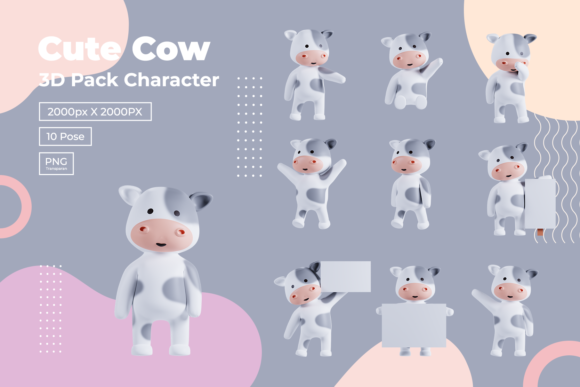
Reviewing 3D Pack Cute Animal Cow Illustration
As a designer who has digitized and stitched out hundreds of animal motifs, I approach every new asset with a healthy dose of skepticism. We have all downloaded files that look stunning on screen but turn into thread nests or distorted shapes once they hit the hoop. When I first opened the 3D Pack Cute Animal Cow Illustration, I was looking for more than just adorable aesthetics; I was evaluating structural integrity for real-world production. This bundle promises ten different poses with PNG backgrounds, positioning itself as a high-definition resource for creators. But for those of us running embroidery machines, the true test is how these illustrations translate from digital pixels to physical stitches.
First Impressions: Visual Personality and Layout
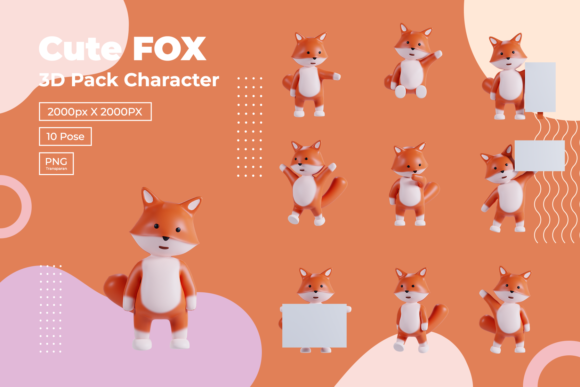
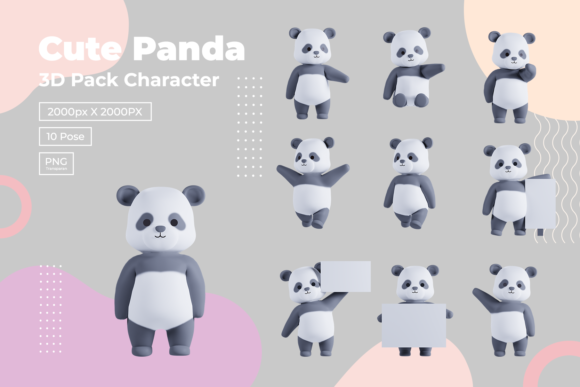
The immediate strength of this collection is the distinct personality in each pose. In the world of machine embroidery design, generic clip art often lacks the intentionality required for clean stitching. These cow illustrations, however, possess clear silhouettes and defined boundaries. The "3D" aspect suggests depth and shading, which is visually appealing for printable mockups and digital product listings, but it also raises a flag for embroiderers. True 3D effects in embroidery require complex layering or specific foam techniques. If you are using these as a base for an applique design, the shading guides where your fabric placement should go. If you are converting them directly to fill stitches, you must ensure the digitizing software interprets those gradients as stitch direction changes rather than chaotic color blocks.
The variety of ten poses is a significant asset for Etsy sellers and small shop owners. It allows for cohesive collections rather than one-off items. Seeing a sitting cow, a standing cow, and a playful cow in the same artistic style means you can create a matching nursery set or a farm-themed apparel line without the designs looking like they came from different sources. This consistency builds brand trust and makes your handmade products look professionally curated.
Real-World Application: Stitching Out a Custom Tote Bag
To truly evaluate this pack, I mentally walked through a recent client project: a custom canvas tote bag for a baby shower. The client wanted a "farm fresh" aesthetic but needed the design to be durable enough for daily use. Canvas is a forgiving fabric texture, but it is unforgiving regarding registration errors. When planning a tote bag design using one of these cow illustrations, the primary concern is stabilization.
Because these are detailed illustrations, they likely contain a mix of satin stitch outlines and fill stitch interiors. On a tote bag, I would recommend a medium-weight cutaway stabilizer to prevent the canvas from puckering under the density of the 3D-style shading. The PNG background included in the pack is excellent for visualizing placement before hooping, but remember that your machine does not see the PNG. You must rely on your alignment marks. For this specific project, the cute factor translates beautifully to a personalized gift, but only if the stitch density is balanced. Too dense, and the bag becomes stiff and bulletproof; too sparse, and the 3D effect flattens out, losing the charm that attracted the buyer in the first place.
Navigating Fabric Limitations and Hoop Constraints
While these illustrations are versatile, they are not universally applicable without modification. As an experienced reviewer, I must highlight where caution is necessary. Detailed animal illustrations often struggle on highly textured fabrics like terry cloth or fleece unless you use a water-soluble topping. Without it, the fine details of the cow’s face or hooves will sink into the pile, rendering the expression muddy.
Stretchy fabrics present another challenge. If you are attempting sweatshirt embroidery or baby embroidery with this pack, the 3D elements may distort during wear. Knits move; illustrations do not. You may need to simplify the design or increase the underlay to anchor the stitches securely. Furthermore, consider your hoop size. Intricate designs lose clarity when shrunk below a certain threshold. Before committing to a 4x4 hoop version, check the smallest recommended size. Tiny lettering or minute facial features in these cow poses might need to be removed or simplified for smaller formats to avoid needle breaks and thread bunching.
Dark fabrics also require strategic thinking. The original illustration likely assumes a light background. If you are stitching this onto a navy or black garment, you cannot simply change the thread colors. You may need to add a white underlay or a knockdown stitch to make the pastel or bright colors of the cow pop against the dark material. This extra step adds value to your custom apparel but requires testing to ensure the final result matches the vibrancy of the digital file.
Commercial Viability for Makers and Sellers
For creative entrepreneurs, time is money. The 3D Pack Cute Animal Cow Illustration offers efficiency through versatility. Having ten coordinated poses reduces the time spent hunting for matching assets. However, commercial viability extends beyond convenience. It encompasses licensing and perceived value. Always verify the license terms before selling finished items or using the raw PNGs in digital products. Customers can spot a low-effort print-on-demand item versus a thoughtfully crafted embroidered patch or garment. Using these high-definition assets as a foundation for unique, high-quality embroidery elevates your shop's perception above competitors using free, low-resolution clip art.
The visual appeal of these cows directly impacts buyer engagement. In online marketplaces, the thumbnail image is everything. The included PNG backgrounds allow you to create professional design assets for listing photos even before you stitch a single sample. This helps validate market interest before investing in materials. Just ensure that your actual finished product lives up to the promise of the digital preview. Discrepancies between the crisp digital art and a sloppy stitch-out destroy customer trust instantly.
Essential Designer Notes for Success
Before you load this digital embroidery file into your machine for a sellable item, follow this practical checklist derived from years of production experience:
- Test on Scrap Fabric First: Never assume settings transfer perfectly between fabric types. Stitch a sample on the exact material you intend to use for the final project.
- Check Thread Color Contrast: The 3D effect relies on subtle color shifts. Ensure your thread palette captures these nuances, or the design will look flat.
- Review Stitch Density: Use your embroidery software to inspect density maps. Adjust pull compensation if the design gaps or distorts on your chosen substrate.
- Confirm Hoop Size Compatibility: Do not force a resize beyond the manufacturer's recommendations. Detail loss is inevitable at extreme reductions.
- Inspect Small Details: Zoom in on eyes, nostrils, and spots. If they are represented by tiny satin columns, consider converting them to running stitches or applique for better durability.
- Mockup in Black and White: This reveals whether the design relies solely on color or has strong structural contrast. Good embroidery works even in monochrome.
- Verify Licensing: Confirm whether the license covers commercial sale of physical goods, digital files, or both. Protect your business legally.
- Stabilizer Selection: Match the stabilizer weight to the design density and fabric stretch. When in doubt, test two options side-by-side.
The 3D Pack Cute Animal Cow Illustration holds genuine potential for makers who treat it as a professional starting point rather than a plug-and-play solution. Its strength lies in its cohesive variety and high-definition source material, which supports everything from holiday embroidery projects to boutique branding. By applying critical design judgment and respecting the technical realities of machine embroidery, you can transform these digital cows into tangible, profitable, and cherished handmade goods. Remember, the best designs are not just seen on a screen; they are felt, washed, worn, and loved in the real world.