Raccoon 3D SVG Shapes for Commercial Products
When evaluating a new graphic design asset for my Etsy shop and print-on-demand portfolio, I look beyond simple aesthetics. I need to know if a file will actually sell and, more importantly, if it will function correctly across multiple production methods. My first impression of this Raccoon design is that it strikes a difficult balance between woodland whimsy and commercial viability. Unlike generic clipart that feels flat or overly juvenile, this asset possesses a distinct visual personality that suggests depth and texture. It leans into a modern rustic aesthetic, making it highly attractive to buyers in the nursery decor, outdoor enthusiast, and handmade gift niches. The mood is playful yet polished enough for premium merchandise, avoiding the cheap appearance that often plagues animal-themed digital downloads.
As a seller, I immediately categorize this as a versatile anchor piece for a larger collection. It does not feel like a standalone novelty item but rather a foundational element for brand identity within the cottagecore or forest animal genre. For creative entrepreneurs and small business owners, this distinction matters. We are not just selling a picture of an animal; we are selling a cohesive vibe that customers want to apply to their own projects or purchase as finished goods. This Raccoon asset succeeds because it offers that specific emotional hook while maintaining clean lines necessary for professional reproduction.
Testing Viability Across Physical and Digital Products
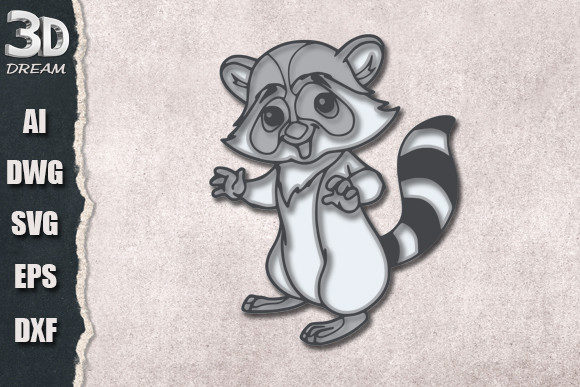
Before listing any digital product, I run a series of practical tests to ensure the files perform as advertised. This Raccoon package is described as digital 3-D files suitable for cutting machines, plotters, stickers, postcards, clothing, wall decoration, and logos. In my workflow, this translates to testing three distinct categories: cut files, print media, and digital templates.
For Cricut users and crafters, the SVG design integrity is paramount. I imported the vector file into my cutting software to check node count and layer separation. A true 3D SVG for cutting machines requires precise registration marks and logical layer grouping. If the raccoon’s facial features or fur textures are too intricate, the machine will struggle on standard vinyl or cardstock. In this case, the shapes appear optimized for medium-weight materials like adhesive vinyl for t-shirt designs or cardstock for layered paper art. However, sellers should always perform a test cut on scrap material before promising "easy weed" results to customers. The depth effect relies on accurate alignment, so providing a clear assembly guide with your listing can significantly reduce customer support tickets.
On the print-on-demand side, I evaluated the PNG design for sublimation and direct-to-garment applications. The resolution holds up well at 300 DPI for mug designs and tote bag prints. The shading that creates the 3D illusion renders beautifully on white ceramics and light-colored fabrics. For dark garments, however, I recommend creating a separate version with a white underbase or outline, as the subtle shadows defining the raccoon's form might get lost against black cotton. This versatility makes it a strong candidate for seasonal bundles, particularly for autumn camping gear or winter holiday merchandise.
Leveraging the Asset for High-Converting Listings
A beautiful illustration means nothing if it doesn't stop the scroll. When preparing this Raccoon asset for a creative marketplace, presentation is everything. I use this type of dimensional artwork to create high-impact product mockups that demonstrate value instantly. Because the design has inherent depth, it pops off the screen in thumbnail previews much better than flat vector art. I recommend placing the raccoon on textured backgrounds—like kraft paper, wood grain, or linen—to enhance the tactile feel of the digital download.
For Canva template sellers and content creators, this asset serves as an excellent focal point for social media graphics and blog headers. The visual hierarchy naturally draws the eye to the center, leaving ample negative space for text overlays. When bundling this with other forest elements, ensure the lighting direction is consistent to maintain realism. A common mistake in design bundles is mixing assets with conflicting shadow angles; keeping this Raccoon paired with compatible elements preserves the professional quality of your commercial design offerings.
I also see significant potential for packaging design and branding. Small businesses in the handmade sector often seek unique mascots for their thank-you cards and sticker designs. This raccoon works exceptionally well as a brand ambassador for eco-friendly or outdoor-focused shops. By showcasing the asset applied to a poly mailer or a custom sticker sheet in your listing photos, you help buyers visualize its utility beyond just a digital file. This practical visualization increases perceived value and justifies a higher price point for your commercial license.
Critical Considerations and Seller Best Practices
Despite its strengths, there are specific scenarios where this Raccoon asset requires careful handling. While it excels in medium-to-large formats, it may not be suitable for tiny sticker details or intricate planner stickers under one inch. The 3D shading effects can turn into mud when scaled down excessively, losing the definition that makes the design special. Similarly, avoid using this complex illustration in crowded thumbnails or text-heavy templates where visual clarity is compromised. Simplicity wins at small sizes; save this detailed piece for hero images and featured products.
Sellers must also verify technical specifications before publishing. Always confirm the transparency of the PNG files; sometimes background removal leaves jagged edges that ruin the illusion of depth on colored backgrounds. Inspect the SVG cut lines meticulously—if the 3D effect is achieved through overlapping layers rather than welded paths, ensure you provide both the layered version for advanced users and a simplified, welded version for beginners. Clear file organization is non-negotiable; label folders explicitly (e.g., "Cut Files," "Print Files," "Assembly Guide") to enhance the customer experience.
Typography pairing is another crucial factor. This Raccoon design has a soft, organic structure that pairs best with bold sans-serif fonts for modern appeal or vintage serif fonts for a nostalgic touch. Avoid overly ornate script fonts that compete with the detail in the fur texture. Test various font combinations in your mockups to show buyers how to achieve a balanced layout. Finally, never assume licensing terms. Double-check that your commercial license covers the specific end products you intend to sell, especially for print-on-demand platforms where policies vary. Documenting these rights protects your business and builds trust with buyers who rely on your assets for their own income streams.
Ultimately, this Raccoon graphic design asset represents a solid investment for sellers targeting the woodland and nursery markets. Its adaptability across Cricut projects, sublimation design, and digital templates makes it a workhorse for diverse product lines. By approaching it with a critical eye toward production limitations and presentation strategies, you can transform a single digital file into a profitable, multi-format product collection that stands out in a saturated marketplace.